By Adrian Flynn
Karman Fellow Alena Kuzmenko Launches the Dreams of Cancer Patients from 14 Countries into Space
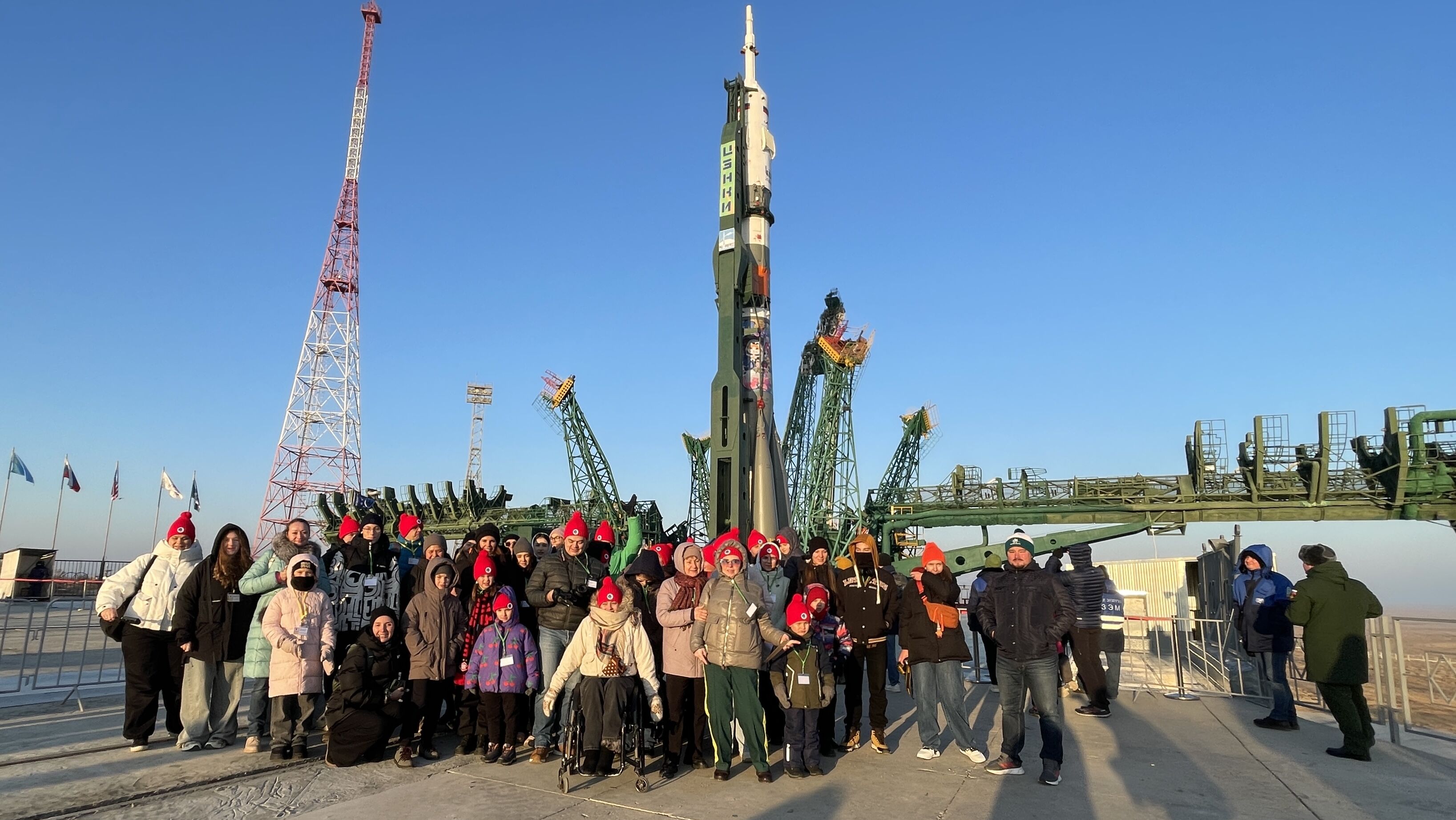
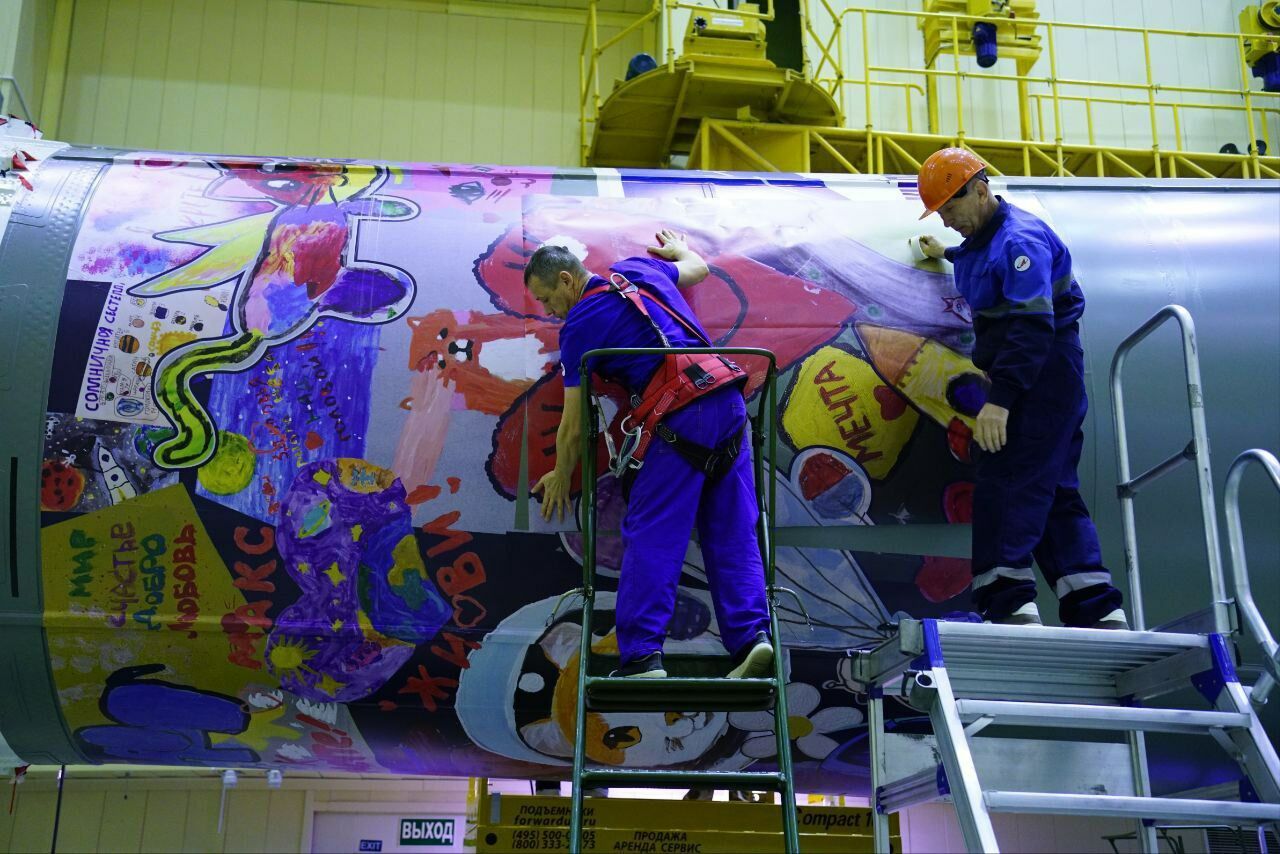
On November 27, 2025, Soyuz MS-28 launched from the Baikonur Cosmodrome carrying two cosmonauts and one astronaut to the International Space Station. Beyond this embodiment of human spaceflight cooperation amidst contentious geopolitical circumstances, the rocket carried aspirations of hope that seek to ripple across both borders and generations: artwork created by children undergoing cancer treatment from 50 cities across Russia and 13 other countries, including the United States, Bolivia, Zambia, Serbia, Belgium, Armenia, Switzerland, France, England, Germany, Brazil, Pakistan, and Iran, emblazoned on the exterior. This marked the world’s first space mission featuring a launch vehicle covered with artwork created by pediatric oncology patients from across the globe, a historic moment to behold and one long in the making.
The Art Rocket Project was led by 2024 Karman Fellow Alena Kuzmenko and her team at the UNITY Foundation, a charity organization dedicated to providing psycho-emotional support for cancer patients. The initiative was made possible through Kuzmenko's collaboration with Roscosmos and outreach support from partners around the world, including Nicole Stott’s Space for Art Foundation, MoonDAO, the Brazilian and Bolivian space agencies, as well as hospitals, embassies, and NGOs worldwide. In Kuzmenko’s words, “This initiative has become a powerful symbol of how art, space exploration, and humanitarian collaboration can transcend borders, unite people in the most challenging times. At its heart, the project is a monument to dreams — a reminder that the human spirit can reach far beyond hospital walls.” Guided by UNITY’s motto, “You are not alone in the Universe,” the Art Rocket Project was designed to show children undergoing cancer treatment that they are seen, supported, and connected to a global community reaching for the stars together.
The launch represented the culmination of UNITY’s nine-year Space Art Therapy program. Over that time, the organization collected artwork from more than 4,000 children undergoing cancer treatment. The program was designed to reduce anxiety, build emotional resilience, and help young patients feel empowered during treatment, while also fostering international cooperation across medicine, art, education, space exploration, and humanitarian work. For the Art Rocket Project, children’s drawings of hope, dreams, and visions of the universe were transformed into a large-scale collage applied to the exterior of the rocket’s lower-stage fuselage. UNITY worked closely with aerospace specialists to ensure the artwork met all safety requirements and did not affect the rocket’s thermal protection or structural integrity.
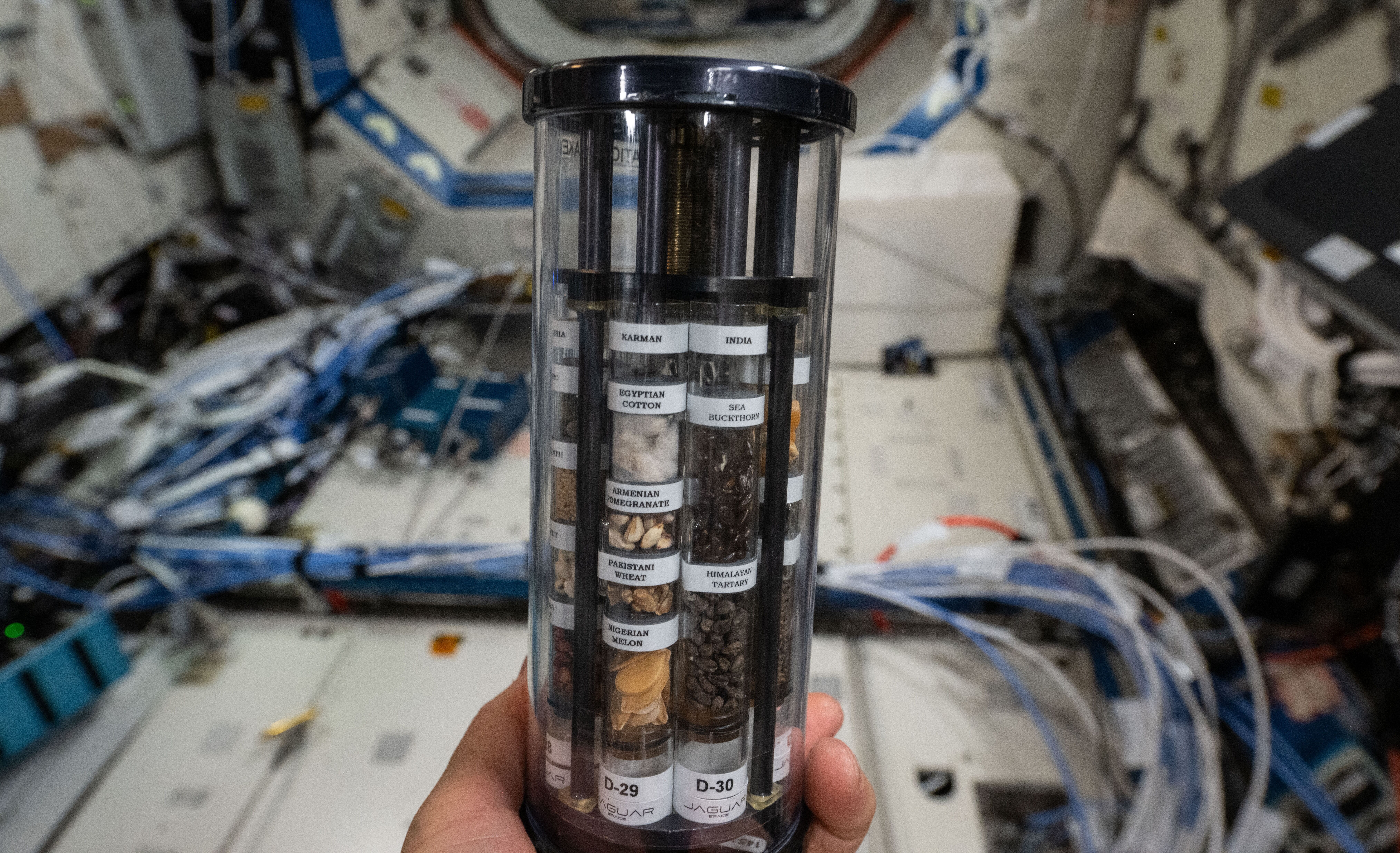
Kuzmenko’s personal journey to this moment began at a similar stage as many of the families she is now supporting. In the midst of a career in investment banking, she decided to start helping oncology patients when her own mother, Svetlana, passed away from cancer. During Svetlana’s treatment in Houston, she participated in the Spacesuit Art Project initiated by space artist Ian Cion and astronaut Nicole Stott, a member of the Karman Fellowship Selection Board. Svetlana painted symbols of life and balance, such as the tree of life and a yin-yang circle, on a UNITY spacesuit that was later flown to the International Space Station by NASA.
Inspired by the project, Kuzmenko founded the UNITY Foundation to expand access to art therapy and quality-of-life programs for pediatric and adult oncology patients worldwide. By 2024, children from 32 cities across 10 countries had already sent their artwork into space on spacesuits and satellites through UNITY’s Space Art Therapy program. The Art Rocket Project stands as perhaps the organization’s most ambitious effort to date.
In an illustration of inspiration’s ripple effect, the broader Space Art Therapy program was originally developed in collaboration with Nicole Stott, Ian Cion, and the Space for Art Foundation. Kuzmenko and Stott have conducted space art therapy workshops in hospitals across Russia, the United Kingdom, France, and Germany. Both strongly believe that the peaceful, collaborative model demonstrated in extreme environments like space can inspire greater cooperation here on Earth. Stott has been effusive in her praise: “All of us at the Space for Art Foundation are in awe of what the UNITY team continues to bring to life through their space, art, and healing work with children around the world. We know this beautiful art rocket is not just about this one launch, it’s about continuing to launch children’s dreams in ways that remind us all how special this planetary spaceship we share in space is and how working in unity together as crewmates can make the future brighter for all life on Earth.”
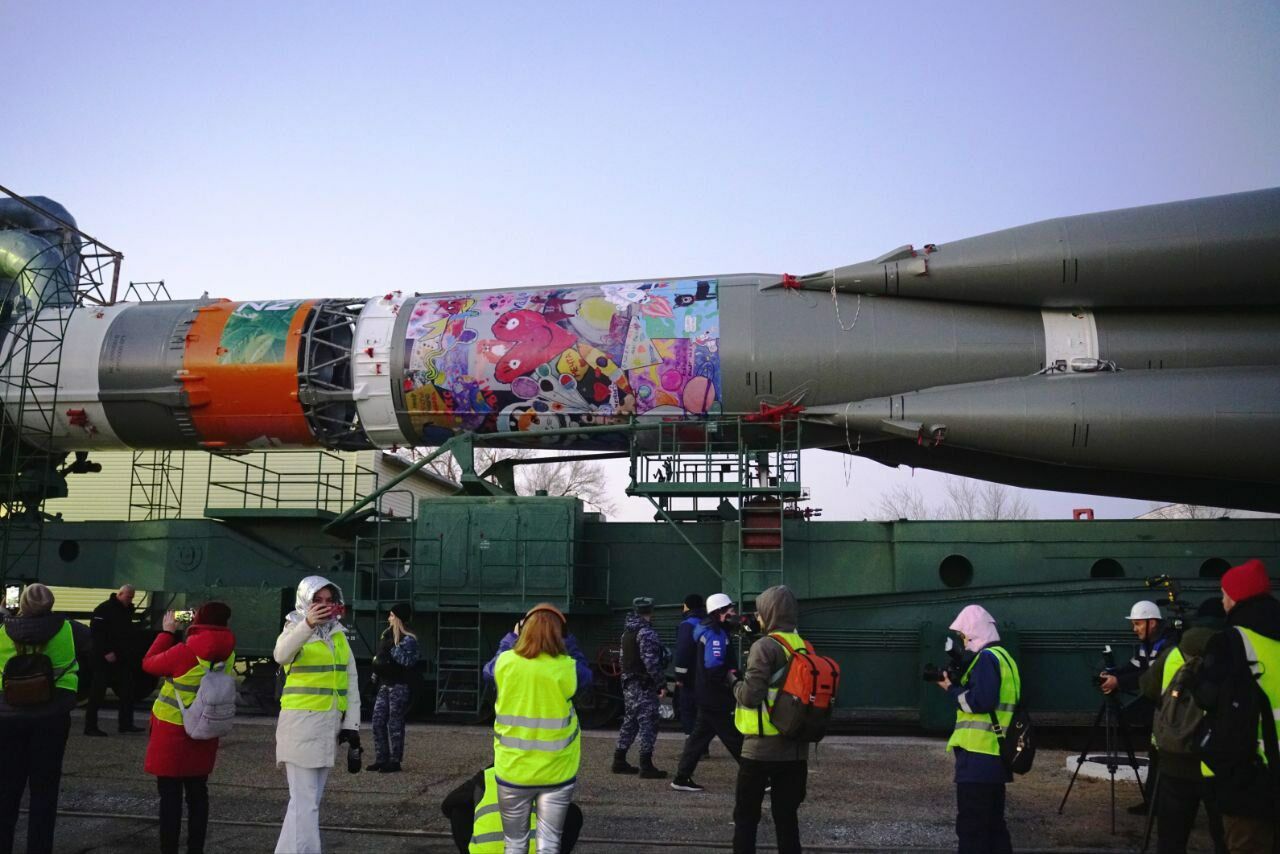
The launch itself was deeply moving, particularly for the dozens of children whose artwork appeared on the rocket, who attended the event with their parents and medical teams. In the days leading up to liftoff, UNITY organized a full program of visits to historic space facilities, meetings with cosmonauts, and hands-on art workshops. When the rocket finally lifted off, after days of waiting and a silent moment of anticipation, the swell of emotion and joy matched the rocket rising ever higher.
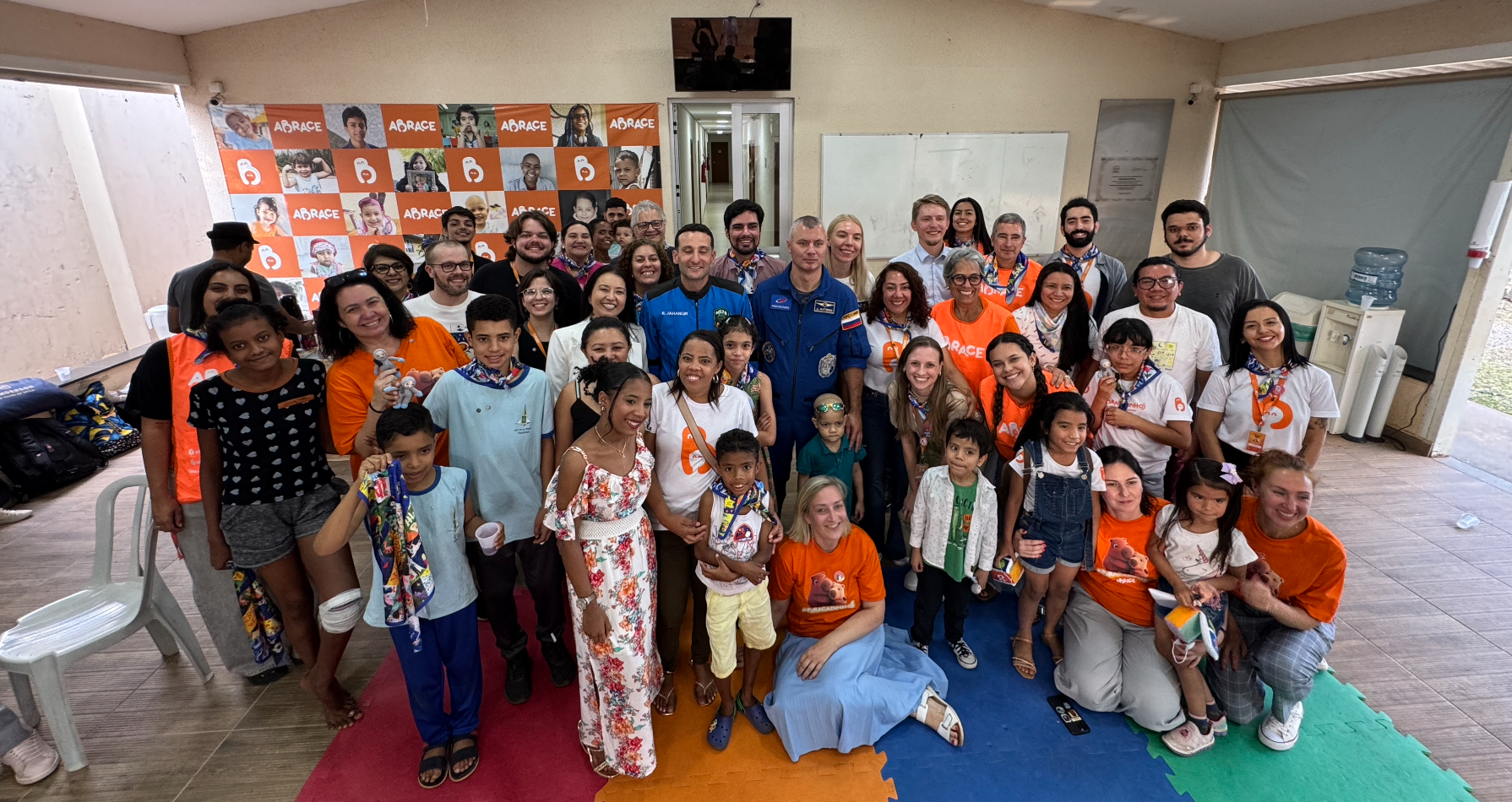
Members of the Karman Community celebrated around the globe alongside Kuzmenko. 2023 Karman Fellow and UNITY Ambassador Anastasia Stepanova, who recommended Kuzmenko for the Karman Fellowship, supported the project through international outreach, including hospital visits in Brazil. For Stepanova, this was a glimmer of “true hope” in an otherwise challenging moment for international cooperation. She reflects that, “in a turbulent time, we brought together Russia, the United States, and Brazil; government and DAO space sectors; a professional cosmonaut and a commercial astronaut. All of this happened under a single, unifying purpose—helping children and inspiring them to dream beyond the shadow of cancer. That shared mission erased every difference.”
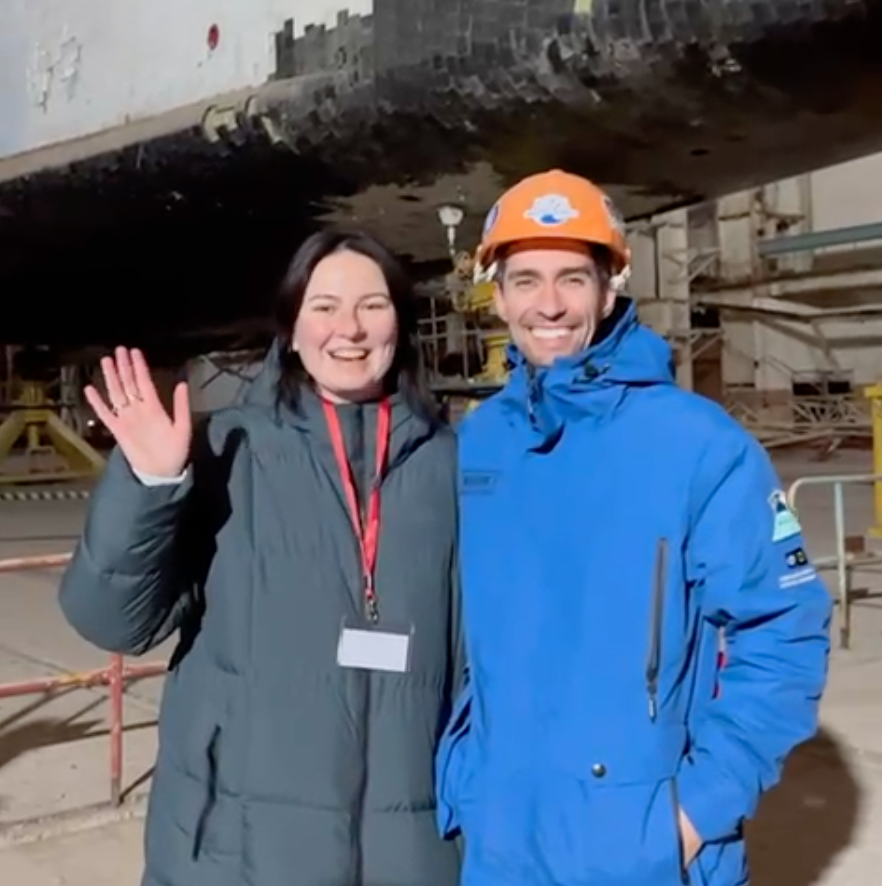
Also present at the Baikonur Cosmodrome for the launch was 2023 Karman Fellow Trent Tresch. Reflecting on his experience and on the capacity of the Karman Community for positive impact, he shared that "being able to witness such an incredible project in person from my Karman family member on this scale was incredibly inspiring. This community is filled with global change-makers, but seeing their work come alive is a reminder of the high degree of character and impact those in this organization have. Cheers to Alena and her team for what they were able to accomplish against all odds.” In Tresch’s view, it was among the most inspiring moments he has experienced over more than a decade in the space industry, and a valuable reminder: “The images drawn by kids affected by cancer remind us of the value of life and why we work toward the future: for our dreams and for humanity.”
~
Photo Credits: Alena Kuzmenko/UNITY