
By Davis Cook, Salah Eddine Bentata, Olayinka Fagbemiro, Clarisse Iribagiza, Charles Mwangi, Temidayo Oniosun, and Sara Sabry
One of the aspects of the space sector that is so exciting for me has been the opportunity to watch, in real time, how an industry experiences complete disruption. There are really only a few examples that I think compare fully – the introduction of electricity in the 1800s, the transistor, or the internet. The key driver for this is of course the dramatic drop in launch cost that we’ve seen over the last decade, and that, by all accounts, we will continue to witness in the next decade. I think any sector that sees a fall in its primary cost by 90 or 99% will go through changes that no-one can predict. And that makes it incredibly interesting to witness, and also to part of – and being a part of Karman Project has given me (and the other Fellows) a really unique perspective.
The Karman Project is a non-profit Foundation, and its flagship programme is its global Fellowship. The Fellowship gathers 15 Fellows in the global space economy on an annual basis (along with shortlisted candidates, termed ‘Karman Pioneers’) to build relationships so that, as this sector evolves in unpredictable ways, we have the relational architecture to navigate complexity with trust and understanding, with people who deeply know each other.
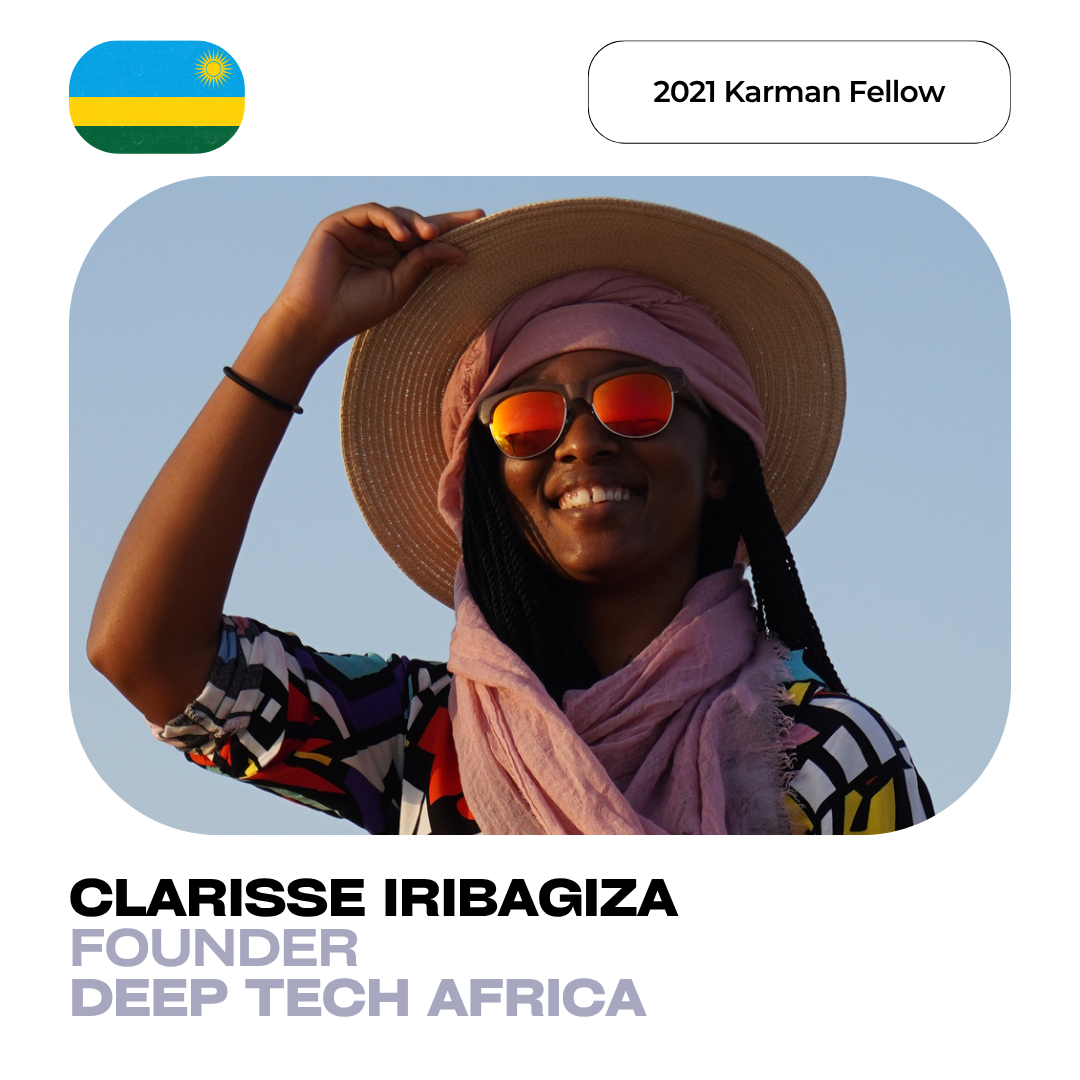
“The Karman Fellowship was a pivotal moment in my journey. Sitting in a room with highly accomplished inventors, astronauts, and artists who were literally reaching for the stars shaped my decision to pursue a PhD exploring how our innovation ecosystems can nurture the next generation of African talent; aligning capital, policy, and technology to build resilient systems that enable us to shape the future, not just participate in it. Being part of the Karman Community continuously challenges me to address these structural gaps, and by bringing the Karman Week to the African continent, it shows African innovators that what once felt distant is fully within our reach to build.”
— Clarisse Iribagiza, 2021 Karman Fellow
One of the specific challenges that motivated me to join the Fellowship programme was the emerging risk of what I coined the ‘orbital divide’ – the possibility of an access gap between what advanced space nations can achieve, and what emerging space nations will be unable to achieve. Despite all the ‘real estate’ that exists in space, there are numerous points at which various countries can act to prevent others from being able to materially benefit from space based technologies (technology, capital, human resources, launch, operations, and more). With space increasingly becoming embedded in all modern technologies, this runs the risk of creating an analogy to the digital divide. My own efforts – together with many other colleagues and friends – have been to minimise the risk that emerging space nations across Africa are permanently prevented from accessing the benefits of space-based technologies. Our approach has been to pursue an entrepreneurial pathway towards self-reliance and sovereignty, through programmes such as the Africa Earth Observation Challenge, or our work at RIIS with the Centauri Space Startup Programme in South Africa.
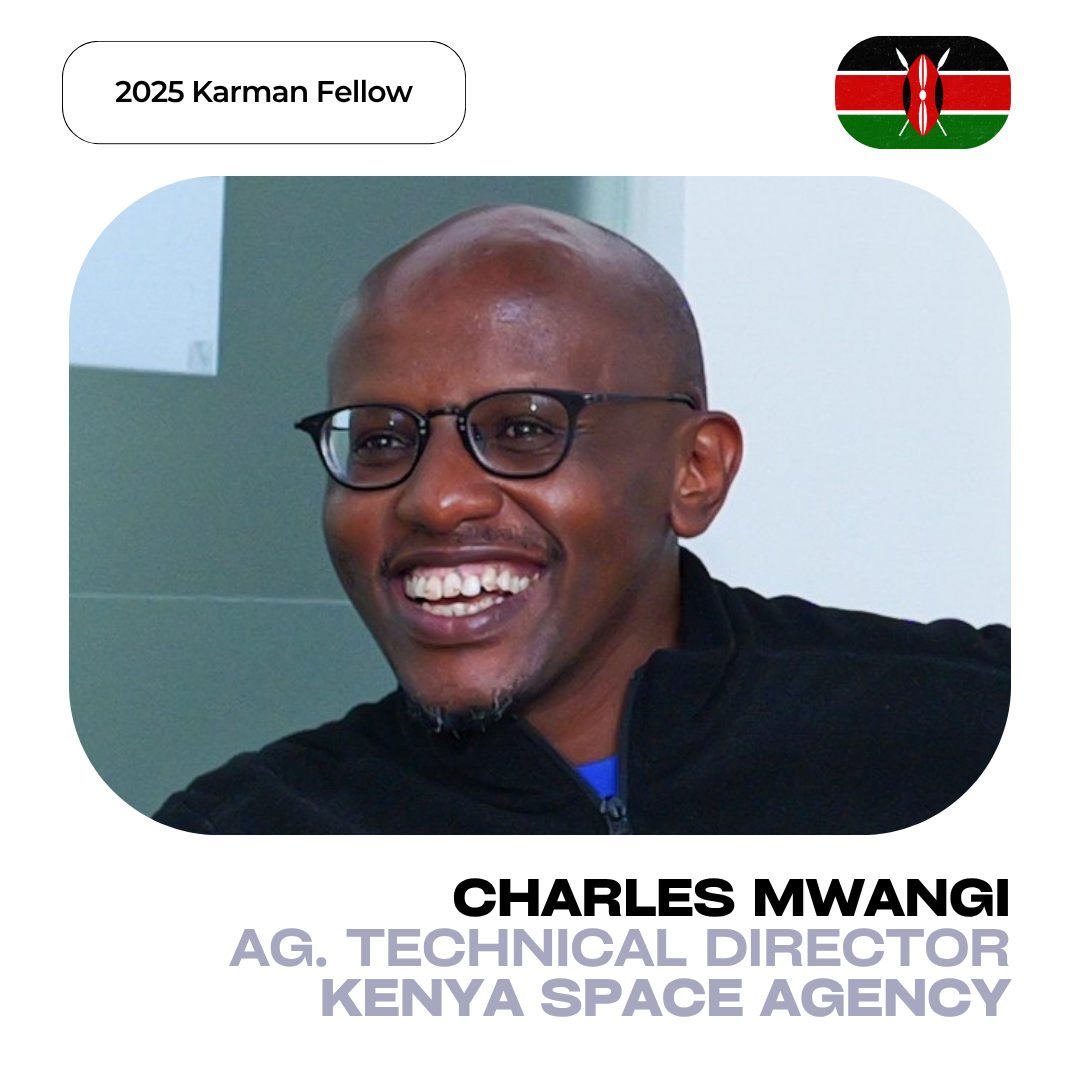
“Having Karman Week in Africa is more than a geographic choice; for me, it is a testament of the increasing appreciation and recognition that every region has something to offer to the global Space Community. Based on my experience in Karman Week 2025, I believe the forum presents Africa, this time in South Africa, with a unique opportunity to engage with a select and eminent group of people creating impact across the space industry. I hope the Karman Fellows will maximize this opportunity to engage with our community and explore potential linkages that will continue creating and unlocking new pathways to deepen African's contribution to the space industry.”
— Charles Mwangi, 2025 Karman Fellow
The word advanced matters here. The countries leading in space are not automatically the wealthiest. This is a question of capability, infrastructure and control: who can reach orbit, operate in it, and depend on it on their own terms. The parallel with the digital divide is intentional. We spent decades trying to close gaps in digital access after they had opened and hardened. With space, we have a chance to act before that happens – to enable systemic access to space-based services, rather than services governed by international powers. Recent years have certainly shown what happens when access to a critical system is governed by someone else’s priorities. This is not an accusation against any one country or company; it is a structural observation. If space-based services underpin agriculture, climate resilience, navigation, communications, and security, then dependent nations have, in effect, outsourced part of their sovereignty and private citizens may be at the mercy of decisions a half a world away.
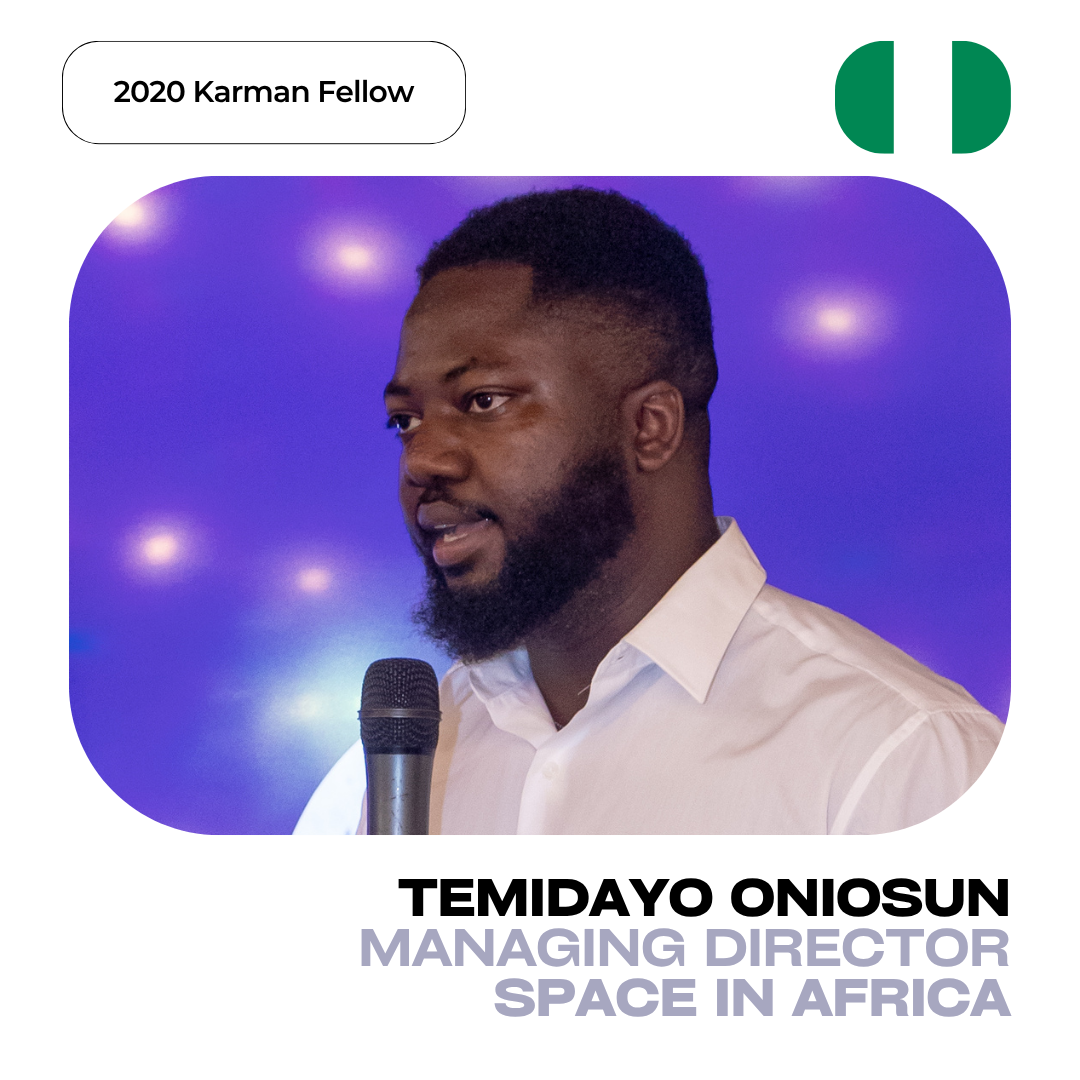
“My partnership with The Karman Project has been foundational to my work, serving as a critical catalyst that facilitated the historic launch of Nigerian egusi seeds to the ISS while simultaneously empowering broader efforts to elevate African space ventures and foster global scientific collaboration. Hosting Karman Week in Cape Town is a significant milestone that validates the rapid growth and sophistication of the African space ecosystem. It is a vital convergence point where local innovation can translate into global impact. I believe the focus should be on intentional, sustained collaboration. We need to move beyond symbolic partnerships toward deep integration—linking African startups with global market access, facilitating mentorship that bridges the gap between early-stage innovation and investment readiness, and supporting the development of local infrastructure. The power of the Karman Network lies in its ability to open doors that are often inaccessible; by leveraging this community to champion African expertise and facilitate joint ventures, we can ensure that Africa is a leading architect in the future of the global space sector.”
— Temidayo Oniosun, 2021 Karman Fellow
There is an important caveat however – in our view, the space sector still has significant space for ‘winners’ – we’re at the start of the industrial growth, not the end. Just as in the late 1990s, no one knew who the winners of the ‘internet race’ were, we don’t have a pre-defined list of who the winners are in the space sector. The sector is still changing too rapidly – will there be a $1 trillion moon infrastructure company that no one has imagined? A $1 trillion on orbit operations firm? These commercial races have barely begun, which means that there remains a massive opportunity for emerging space nations – who may not be burdened by legacy structures – to play a leading role throughout. Specifically where I see the opportunity for those emerging market countries who are also emerging space nations is that the shift away from one-off, job-shop projects towards production-line thinking should favour those nations and regions. Lower costs of land, labour, power, and water give them a natural advantage in manufacturing, as they have in other industries. Yet, only a brave – and successful – few have started to take advantage of this economic arbitrage opportunity; I’m glad to note that the sub-system production ecosystem in the Western Cape of South Africa is an excellent example of this.
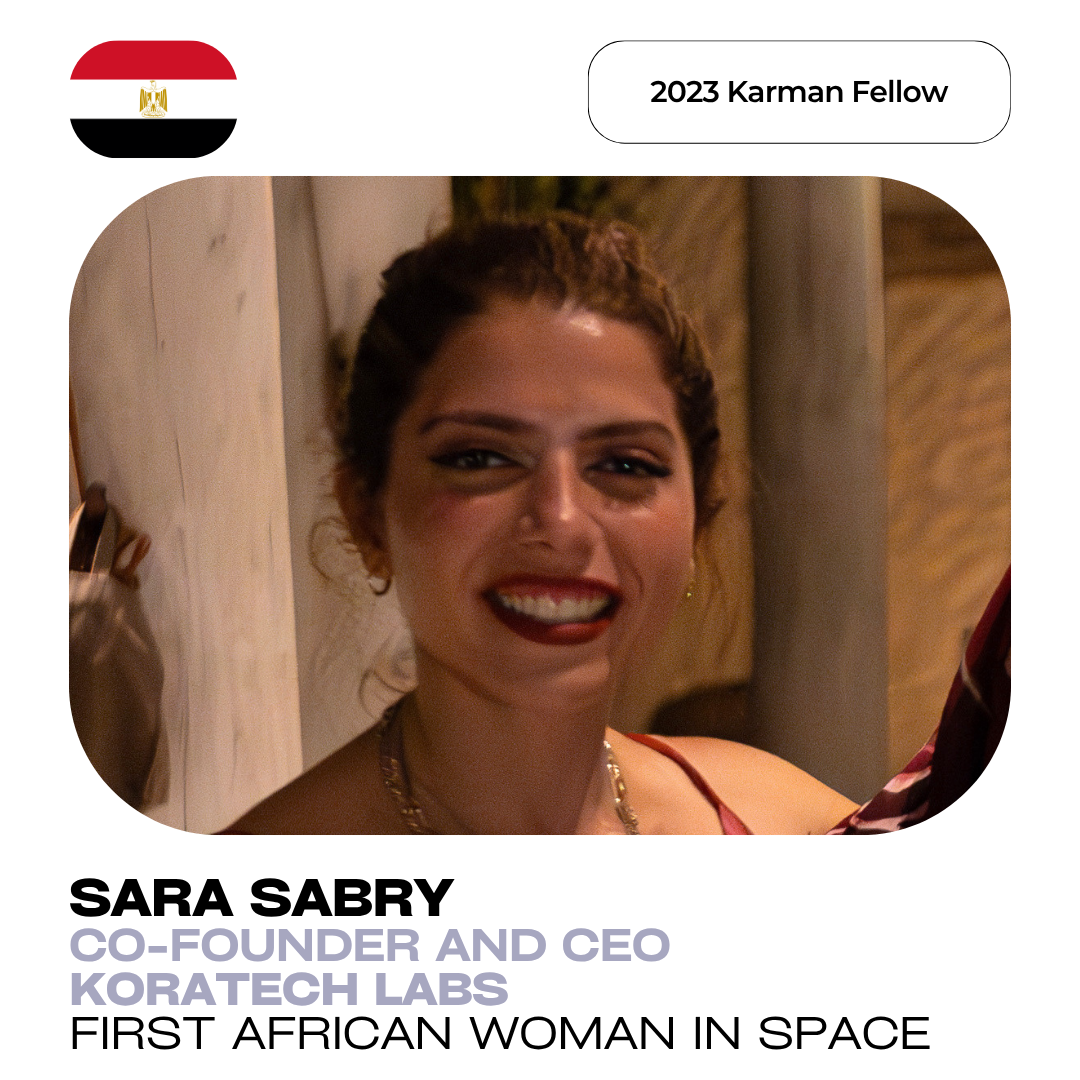
“Africa has always had the talent - what it has often lacked is the spotlight. Karman Week choosing Cape Town isn't just a scheduling decision, it's a statement: that the next chapter of space exploration doesn't belong to any one region, and that this continent has always deserved a seat at that table. I'm genuinely moved by it, not just for what it means for South Africa, but for what it signals to every young person across Africa who has ever wondered if this field was meant for them too.”
— Sara Sabry, 2023 Karman Fellow
None of this thinking had really crystalised for me in 2021 when I joined Karman Project as a Fellow – working in a highly competitive consulting environment doesn’t leave a lot of space for deep reflection on the structural, almost philosophical nature of the sector. Yet, over the course of the weeks, months, and then years involved in quiet conversations with Karman Fellows and Pioneers, I found a space in which difficult conversations were made possible. Where the questions were less about ‘how do we make money’ and more about ‘how do we ensure there is a future for us all, with the gifts that space can provide’. Many conversations were challenging; not a few were heated. But in every moment, these helped shift my understanding, corrected outmoded ways of thinking, and overall I believe gave me a greater capacity to effect change in the right direction.
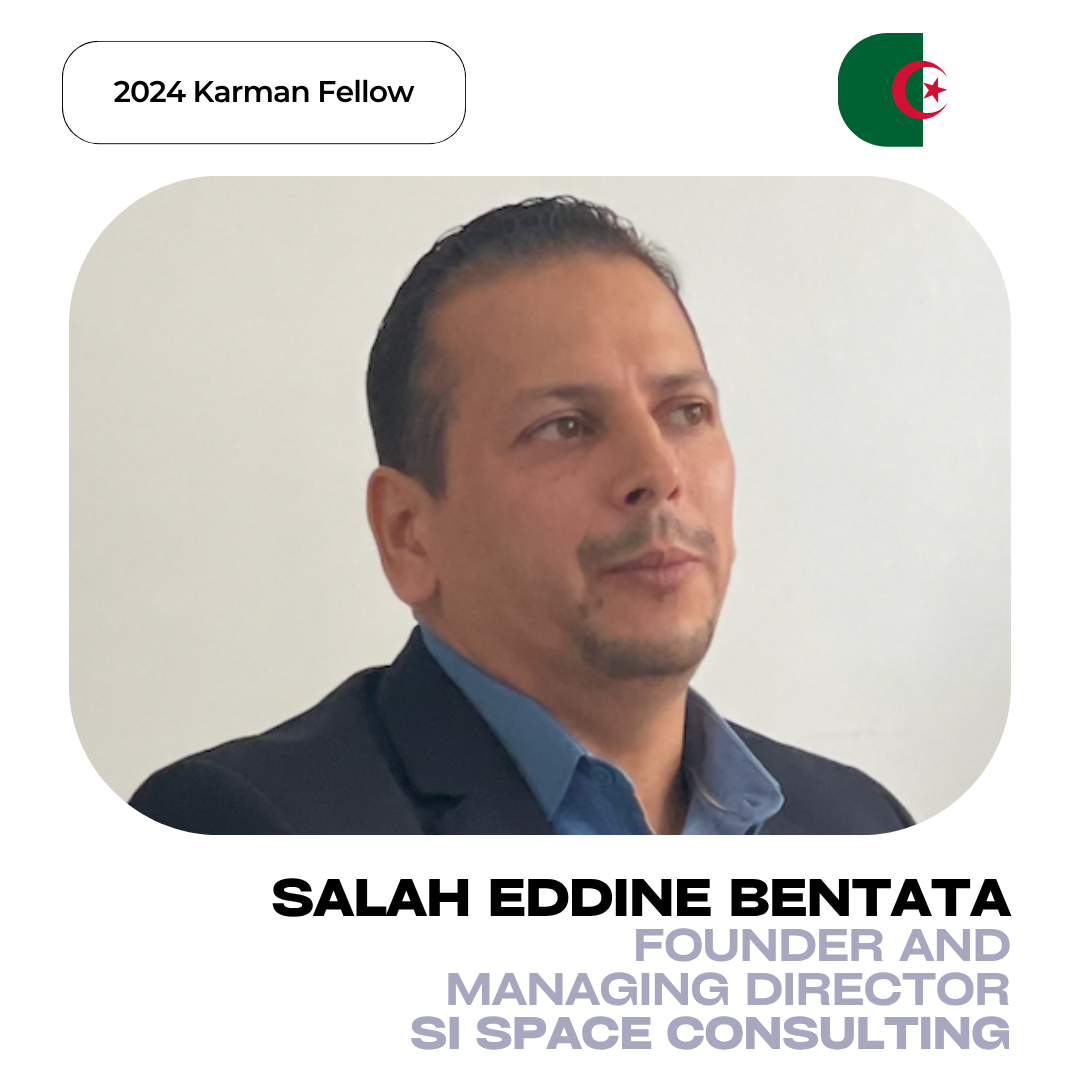
“Bringing Karman Week to Africa is more than bringing an international space event to the continent. It comes at a particularly meaningful time, following the inauguration of the African Space Agency and the growing momentum towards stronger continental cooperation in space. For me, Karman Week is an opportunity to bring African perspectives and ambitions into a wider international dialogue. It can also help create stronger connections between African and international space actors, opening the way for meaningful collaboration beyond the event itself.”
— Salah Eddine Bentata, 2024 Karman Fellow
Karman Week – which I’m proud is taking place in Cape Town this year – is a rare opportunity for the present and future leaders of space, from around the world, to join a Community of people who will challenge them, who will support them, and who are willing to gather anywhere in the world – or off it!
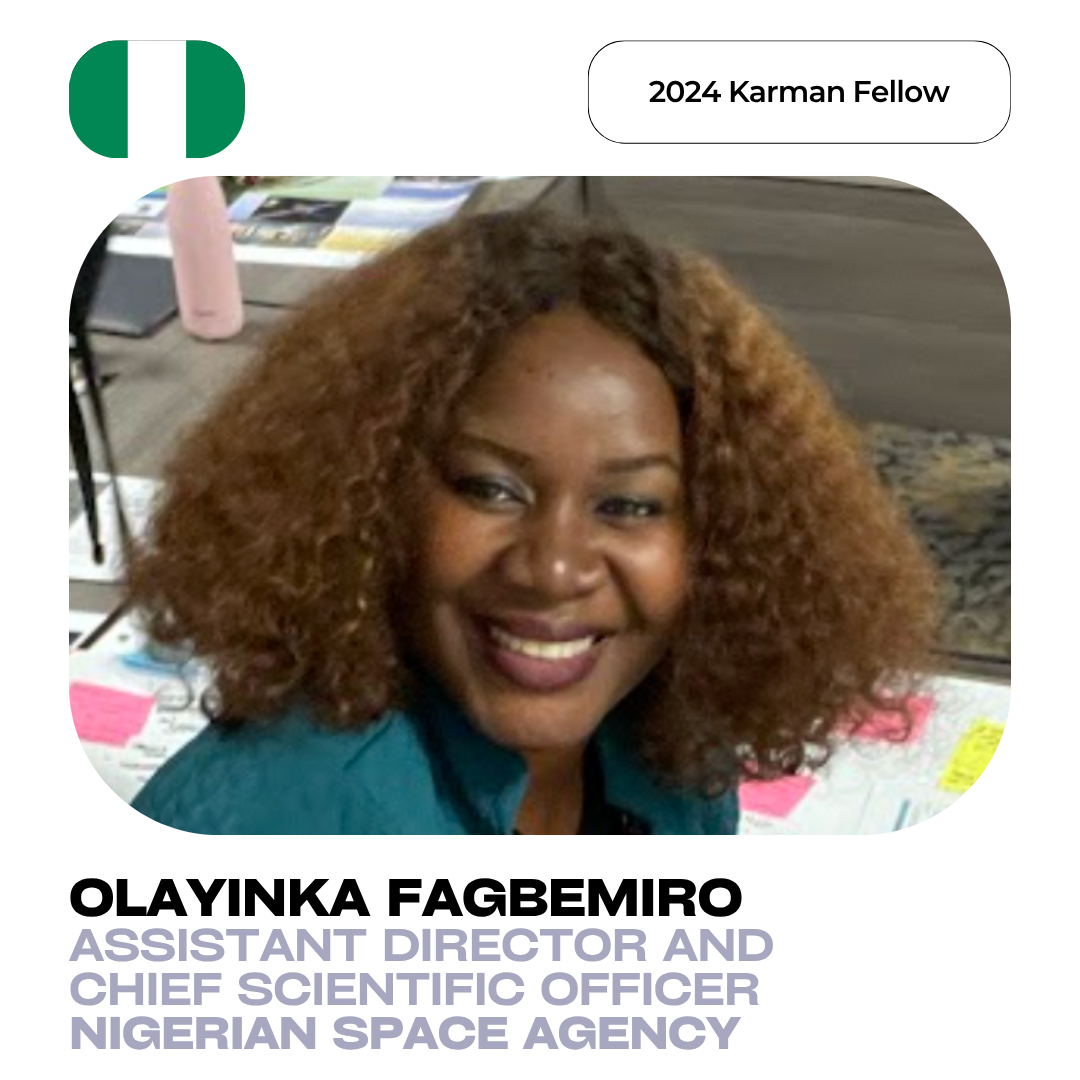
“Having Karman Week on African soil is more than a change of location; it is a powerful statement about where the future of space belongs. Africa is not simply a participant in the global space conversation; we are increasingly shaping that conversation. Bringing the Karman Community to Cape Town creates an opportunity to amplify African voices, showcase the talent and innovation emerging from the continent, and build partnerships that can translate ideas into action. One of the greatest strengths of the Karman Community is its ability to connect people across borders, disciplines, and stages of the space ecosystem. I would love to see that network leveraged even more intentionally to create opportunities for African space professionals, not simply as beneficiaries, but as partners and co-creators in the global space ecosystem. If Karman Week in Africa can spark conversations that continue long after Cape Town, create collaborations that would not otherwise have happened, and open doors for African talent and ventures to access global networks, capital and expertise, then its impact will extend far beyond one week. That, to me, would be the real measure of its success.”
— Olayinka Fagbemiro, 2024 Karman Fellow